About Battery Cable Harness
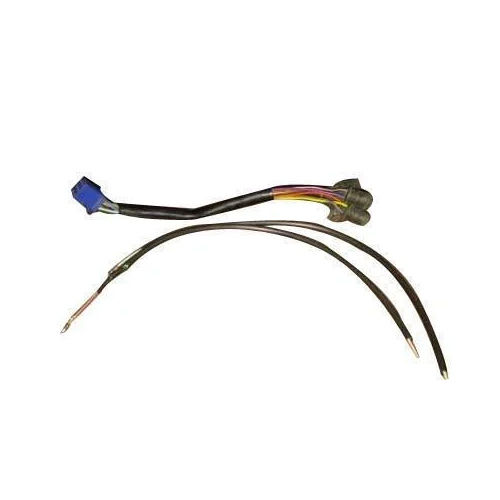
To connect the battery to the electrical system of a vehicle or equipment use our battery cable harness which is a wiring assembly. It includes positive as well as negative cables, along with connectors and terminals, designed to provide a secure connection between the battery and other electrical components. It is designed to handle high electrical loads & is made from durable, heat-resistant materials to ensure reliable performance. It is essential for proper power distribution and the overall electrical functionality of the vehicle or equipment. The battery cable harness carries the electrical current from the battery, powering the starter motor of vehicles, ignition system, lights, & other electrical accessories.
Advanced Safety and ComplianceManufactured to strict RoHS and ISO 9001 standards, the harness incorporates flame-retardant insulation, tested at 2.5kV AC for one minute. This ensures high reliability and compliance with industry safety requirements, ideal for demanding settings.
Customizable Design for Diverse NeedsOffered in standard lengths of 1 to 3 meters and customizable configurations, the cable harness can match specific voltage, current, and connector requirements. Available with flexible PVC sheathing, it supports various diameter sizes and colors, accommodating automotive to solar applications.
Proven Durability and PerformanceBuilt with copper stranded conductors and tin or nickel-plated terminals, the harness withstands operating temperatures from -40C to +105C. Its robust construction and flexible design ensure longevity and ease of installation across multiple environments.
FAQ's of Battery Cable Harness:
Q: How is the battery cable harness installed within automotive and industrial setups?
A: The harness is assembled using crimped or pressed ring or lug terminals, ensuring secure battery connections. Installation is straightforward, and its flexibility allows for easy routing within vehicles, solar systems, inverters, and other electrical setups.
Q: What are the benefits of tin or nickel plating on the cable terminals?
A: Tin and nickel plating enhance the terminals' corrosion resistance and conductivity, reducing degradation in harsh environments and improving the longevity and reliability of electrical connections.
Q: When should a flame-retardant battery cable harness be used?
A: Flame-retardant cable harnesses should be employed in applications where safety from fire risks is paramount, such as automotive, industrial, and commercial electrical systems. They comply with insulation standards to minimize hazards.
Q: What customization options are available for size, length, and connectors?
A: Customers can specify length (standard 1-3m, or custom), cable diameter (6mm-18mm), connector type (ring/lug), and color (black/red) to suit their application needs, ensuring optimal fit and performance for varied systems.
Q: Where is this cable harness suitable for use?
A: The harness is designed for automotive batteries, industrial inverters, solar systems, and UPS installations. Its flexible PVC sheath and robust copper conductors make it adaptable for diverse operating environments, including commercial and manufacturing settings.
Q: What standards and testing ensure the product's quality and safety?
A: The harness is compliant with RoHS and ISO 9001 standards and has undergone a tested voltage of 2.5kV AC for one minute to guarantee electrical safety and performance. The flame-retardant insulation further ensures protection against fire hazards.
Q: How does the product's design enhance durability in demanding environments?
A: With flexible PVC insulation, stranded copper conductors, and tin/nickel-plated terminals, the harness resists temperature extremes (-40C to +105C), mechanical stress, and chemical exposure, ensuring reliable operations over extended periods.









 Send Inquiry

 Send Inquiry
